
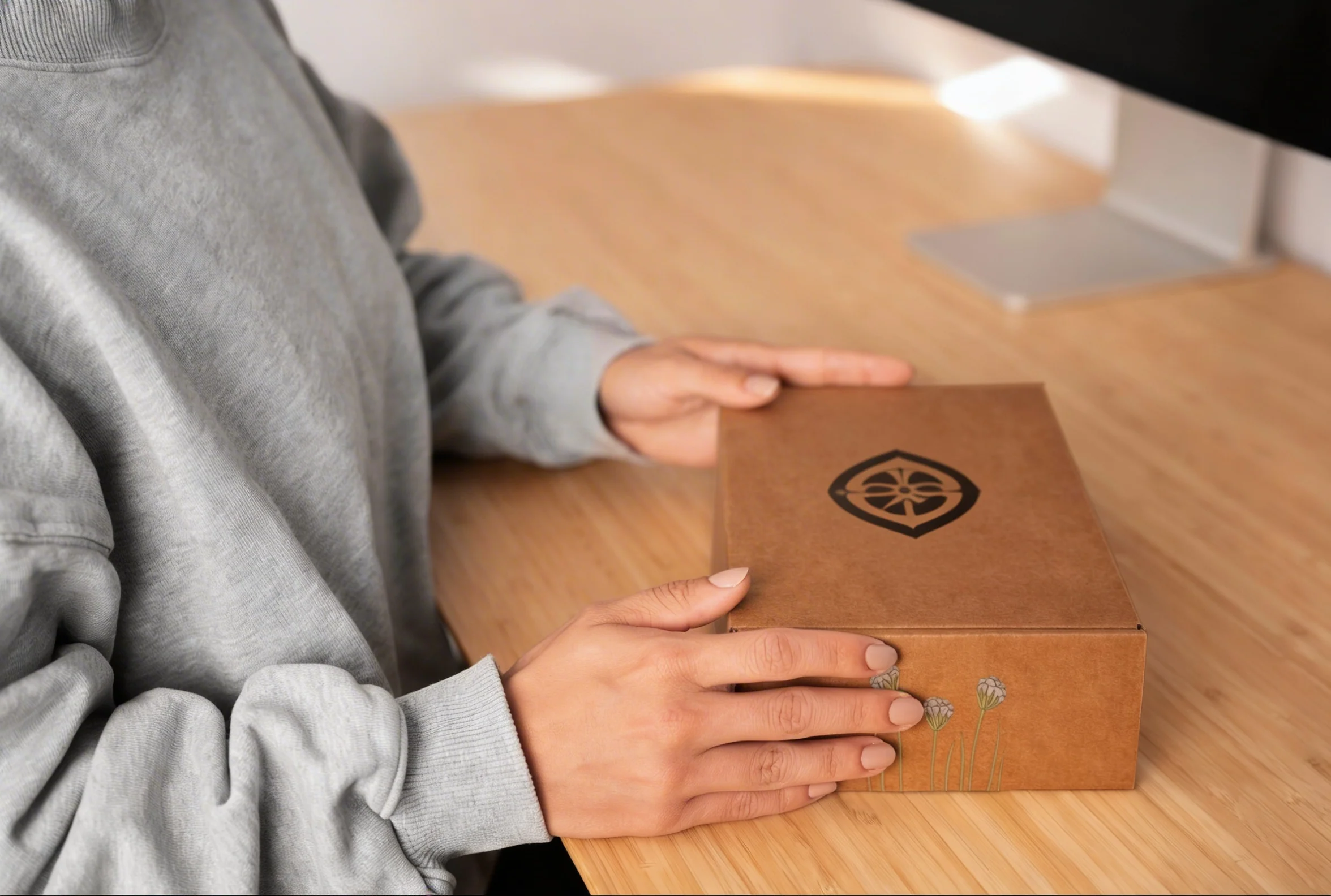
In a world where the average person encounters thousands of brand touchpoints daily, the unboxing moment stands as one of the last truly personal interactions between a company and its customers. It's the one time when your brand exists entirely in someone's hands—literally. This is where custom packaging enters the conversation, transforming what was once considered merely functional into something memorable, shareable, and profoundly brand-building.
The Psychology of First Impressions
Research in consumer behavior has consistently shown that people form opinions in milliseconds. When your package arrives at someone's door, they're not just receiving a product—they're receiving a message about who you are as a brand. Before they open it, they're assessing the weight of the box, the texture of the material, and the precision of the tape. These sensory cues communicate far more than any Instagram caption ever could.
Consider the difference between receiving something in a generic brown box and opening a meticulously designed package featuring your brand's color palette, custom tissue paper, and a handwritten thank-you note. One feels like a transaction. The other feels like a gift. This distinction matters more than most businesses realize because today's consumer is an amplifier—they photograph, they post, they share. A forgettable unboxing experience generates zero organic reach. A thoughtfully designed one can become your most cost-effective marketing asset.
The ROI Argument: Beyond the Visual
One of the most compelling reasons to invest in custom packaging is the return on investment—though not always in the way you might initially think. Yes, custom packaging typically costs more per unit than generic alternatives, but this cost frequently pays for itself through multiple channels:
- Direct reduction in product damage and returns: Standard packaging often results in higher breakage rates during shipping, leading to costly returns, negative reviews, and customer dissatisfaction. Custom packaging designed specifically for your product and shipping environment dramatically reduces these incidents. A 5% improvement in arrival quality might not sound significant until you calculate it across thousands of shipments.
- The social media multiplier effect: A well-designed unboxing generates user-generated content (UGC), which has become one of the most powerful marketing tools available. When customers share their unboxing videos or photos, they're essentially creating free marketing with proven higher engagement rates than brand-created content. Studies show that UGC receives 5 times more engagement and delivers 29 times higher conversion rates than non-user-generated content.
- Reinforced brand identity and perceived value: A luxury brand positioned in premium packaging psychologically justifies a higher price point in the customer's mind. This perceived value isn't superficial—it's a crucial component of brand positioning that influences future purchasing decisions and customer lifetime value.
Sustainability and the Conscious Consumer
Modern consumers increasingly prioritize sustainability in their purchasing decisions. A 2023 Nielsen report found that 73% of millennials are willing to change their consumption habits to reduce their environmental impact. Custom packaging designed with sustainability in mind isn't just an ethical choice—it's a competitive advantage.
The irony of generic packaging is that companies often use oversized boxes with excessive filler to accommodate a variety of products. Custom packaging, by contrast, is optimized for your specific items, reducing material waste and shipping volume. This means fewer resources consumed, lower carbon emissions during transportation, and a package that uses exactly what's needed—no more, no less.
Additionally, custom packaging allows you to control material choices. You can specify recycled content, biodegradable materials, compostable tape, and plant-based inks. You can design boxes that customers will reuse rather than immediately discard. These choices tell a story about your brand's values and resonate deeply with a growing demographic of environmentally conscious buyers.
Design Considerations That Actually Matter
Creating effective custom packaging requires balancing aesthetics with functionality. Many companies make the mistake of prioritizing visual appeal while overlooking practical considerations that affect customer satisfaction.
- Ease of opening: The package must be easy to open without requiring scissors, knives, or excessive force. Frustrating unboxing experiences generate negative reviews faster than almost anything else.
- Transit protection: The box should protect the product adequately during transit, which might mean reinforced corners, strategic padding, or custom inserts that hold items securely in place.
- Color and typography: Color choices should align with your brand identity and be visible even when the package is in a pile of others on a porch. Typography needs to be readable and professional—novelty fonts might seem creative but often sacrifice legibility. The information hierarchy should guide customers' eyes to what's most important: your brand name, what's inside, and any special instructions.
- Seasonal flexibility: Seasonal variations and limited editions can be built into your design system. Custom packaging allows for flexibility without requiring completely new manufacturing processes. A holiday season variation or promotional version can differentiate your product while maintaining core brand elements.
The Scalability Question
A common misconception is that custom packaging only makes sense for large operations with massive volume. The truth is more nuanced. While bulk orders do improve per-unit costs, technological advances have democratized custom packaging. Digital printing, short-run production, and print-on-demand options now make custom packaging viable even for smaller businesses.
A small artisan brand shipping 50 boxes per month can invest in custom packaging and adjust their pricing accordingly. The premium customers willing to pay for handcrafted products are exactly the audience that appreciates thoughtful packaging. For larger operations, economies of scale make custom packaging even more attractive, potentially costing only marginally more than generic alternatives.
The key is viewing packaging as a strategic investment rather than an unnecessary expense. When you factor in improved customer satisfaction, reduced returns, enhanced brand perception, and earned media through social sharing, custom packaging often becomes one of the highest-ROI marketing investments a brand can make.
Real-World Impact
Consider some concrete examples:
- A jewelry brand that switched to custom packaging with branded tissue paper and a silk ribbon saw a 35% increase in repeat purchases and a surge in unboxing content on social media.
- A subscription box service that refined their custom packaging design to be more compact and lighter reduced shipping costs by 18% while simultaneously increasing customer satisfaction scores.
- A sustainable fashion brand that implemented custom packaging with messaging about their environmental commitment found that 42% of customers specifically mentioned the packaging positively in reviews.
These aren't coincidences. They're the predictable result of taking packaging seriously as a component of the overall customer experience and brand strategy.
Making the Transition
If you're considering a move to custom packaging, follow these steps:
- Define the desired impression: Start by asking yourself a fundamental question: What impression do you want to create in the moment someone opens my box? From there, work backward to define the specific elements—color, material, design, texture, special touches—that will deliver that impression.
- Investigate suppliers and request samples: Request quotes for multiple quantities to understand pricing at different scale levels. Don't just think about cost per unit—calculate total impact including reduced returns, improved customer retention, and earned marketing value.
- Start with something achievable: You don't need to overhaul your entire packaging operation overnight. Perhaps begin with custom boxes while keeping generic filler, or add a branded sticker to your current packaging. These incremental steps can test customer response before making larger investments.
- Monitor the results: Track customer feedback, pay attention to unboxing posts and reviews mentioning packaging, and measure any changes in return rates. Let the data guide your next iteration. Custom packaging should be viewed as an evolving component of your brand experience, refined over time based on customer response.
The Bottom Line
In an age where digital marketing dominates, where algorithms determine reach and attention is fragmented across infinite platforms, custom packaging offers something rare: a guaranteed, tangible moment of direct connection with your customer. It's a physical manifestation of your brand values and a subtle (or not-so-subtle) statement that you consider the customer experience worthy of investment.
Custom packaging isn't about extravagance or excess. It's about intentionality. It's about recognizing that every element of your business, including what your product arrives in, communicates something. When you choose custom packaging, you're choosing to make sure that message is exactly what you intend. In an increasingly crowded marketplace, that intentional communication might be the most valuable investment your brand makes.